Caring for a loved one with a mental or physical disability often means carrying many responsibilities at once. Families do their best to create safe, loving homes, but there may come a time when you start wondering if your loved one has the right level of support to truly feel secure and confident each day. Exploring disability housing does not mean you have failed or that independence is being taken away. For many families, it is simply a way to ensure their loved one has consistent support, a stable routine, and the opportunity to continue growing in a safe and respectful environment.
What Is Disability Housing?
Disability housing is designed to support individuals with mental or physical disabilities in a way that balances safety, independence, and personal choice. Rather than focusing on limitations, disability housing centers on creating an environment where people can live as comfortably and independently as possible, with support available when it is needed.
These settings often include small, community-based homes where individuals receive help with daily routines, health needs, and life skills, while still maintaining privacy and a sense of home. Support is tailored to each person, recognizing that everyone’s needs, abilities, and goals are different. For families, disability housing can offer reassurance that their loved one is living in a stable environment with consistent care and meaningful opportunities to stay engaged in daily life.
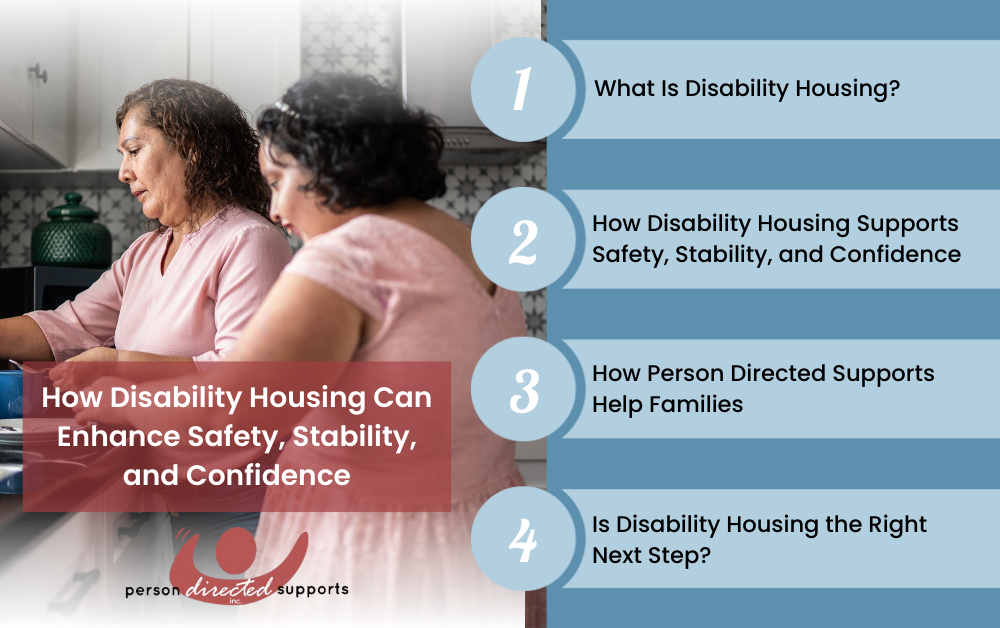
How Disability Housing Supports Safety, Stability, and Confidence
Safety: Support That Provides Peace of Mind
For many families, safety is an ongoing concern as daily needs become more complex. Disability housing offers a supportive environment where help is available when it is needed, whether that includes assistance with daily routines, health needs, or unexpected situations. Trained staff are present to provide supervision, respond to concerns, and help reduce risks while still respecting personal space and independence. This kind of support can ease worry for families and help individuals feel more secure in their daily lives.
Stability: Creating Consistency in Daily Life
Stability plays an important role in emotional well-being, especially for individuals who benefit from routine and predictability. Disability housing provides consistent schedules, familiar surroundings, and dependable support staff, which can help reduce stress and anxiety. Knowing what to expect each day allows individuals to focus on living their lives, building relationships, and participating in activities they enjoy. For families, this consistency often brings reassurance during times of change or transition.
Confidence: Encouraging Growth and Independence
Confidence grows when people feel supported rather than overwhelmed. In disability housing, individuals are encouraged to take part in daily decisions and develop life skills at a pace that feels comfortable for them. Support is provided in a way that promotes independence while recognizing personal limits and strengths. Over time, this balance can help individuals feel more capable and confident, knowing they have the support they need to continue growing.
How Person Directed Supports Help Families Navigate Disability Housing
Community Homes That Balance Support and Independence
At Person Directed Supports, disability housing is approached with the understanding that every individual and family situation is different. Their community homes (CLA) are designed to offer a safe, stable living environment while still honoring personal choice, routines, and independence. These homes are small, community-based settings where individuals receive support tailored to their unique needs, whether that includes help with daily living tasks, health-related needs, or building life skills over time.
For families, community homes can provide reassurance that their loved one is supported by trained staff who understand their preferences, strengths, and goals. Support is not one-size-fits-all. Instead, it adapts as needs change, helping individuals feel comfortable and secure while continuing to grow. This approach allows families to stay connected and involved while knowing their loved one is living in a respectful, supportive environment.
LifeSharing Services That Create Meaningful Connections
In addition to community homes, Person Directed Supports also offers LifeSharing services as another form of disability housing support. LifeSharing provides individuals the opportunity to live with a host family or supportive individual, creating a shared home environment built on trust, stability, and meaningful relationships. This option can be especially comforting for families who feel their loved one would benefit from a more personal, family-style living arrangement.
LifeSharing focuses on inclusion, belonging, and daily connection, while still providing the structure and support individuals may need. For families, this service often brings peace of mind knowing their loved one is part of a supportive household where relationships are nurtured and individuality is respected. Both Community Homes (CLA) and LifeSharing services reflect Person Directed Supports’ commitment to person-centered care that supports not only individuals with disabilities, but the families who care deeply for them.
Is Disability Housing the Right Next Step?
Noticing When Needs Begin to Change
Coming to the question of whether disability housing may be the right next step can bring up a wide range of emotions for families. It is common to feel uncertainty, worry, or even guilt when considering changes to a living situation shaped by years of care and commitment. These feelings often come from a place of deep love and responsibility.
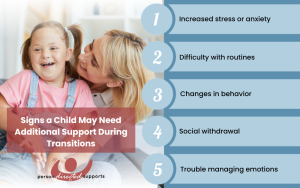
Families may begin exploring additional support when everyday tasks start to feel more challenging for their loved one. This can include difficulty managing personal care, increased need for reminders or supervision, or moments when being alone no longer feels safe or comfortable. Emotional changes such as increased anxiety, withdrawal, or frustration can also be signs that additional structure or support may be helpful.
Exploring Support Without Rushing a Decision
It is important to remember that learning about disability housing does not mean a final decision has been made. For many families, this stage is simply about gathering information and understanding what options exist. Disability housing can support independence by offering consistent assistance, opportunities for social connection, and a stable routine, while still respecting personal preferences and choices.
Taking time to talk openly with your loved one, ask questions, and seek guidance from experienced professionals can make the process feel less overwhelming. There is no single timeline that fits every family. What matters most is moving forward at a pace that feels thoughtful, supportive, and centered on your loved one’s well-being and quality of life.
Taking the Next Step With Care and Confidence
Deciding whether disability housing is right for a loved one is not about making a quick choice or giving up independence. It is about recognizing when needs are changing and responding with care, thoughtfulness, and respect. For many families, learning about supportive housing options is simply part of ensuring their loved one continues to live safely, confidently, and with dignity.
If you are beginning to ask questions or would like guidance on what support might look like for your family, you do not have to navigate that process alone. The team at Person Directed Supports is available to help families explore community homes and LifeSharing services at a pace that feels comfortable. Reaching out for information can be a meaningful first step toward finding support that honors both your loved one’s independence and your family’s peace of mind.