Families often do everything they can to support a loved one at home and in the community. Over time, however, needs can change. Daily routines may become more challenging, safety concerns may increase, or new goals may require additional guidance. When these changes happen, exploring support services can help individuals maintain independence while ensuring they have the assistance they need.
Recognizing the signs early allows families to take a proactive approach and find support that strengthens daily life, rather than waiting until challenges become overwhelming.
Why Support Needs Can Change Over Time
Life is constantly evolving, and the same is true for support needs. Changes in health, age, responsibilities, or personal goals can affect how easily someone manages daily tasks.
Support services exist to adapt alongside these changes. Instead of replacing independence, they often strengthen it by providing the right level of assistance at the right time. Exploring additional support can help individuals continue living meaningful lives while receiving guidance where it is most helpful.
Seeking additional support services is not a sign of failure. In many cases, it reflects a thoughtful decision to prioritize well-being, safety, and long-term independence.
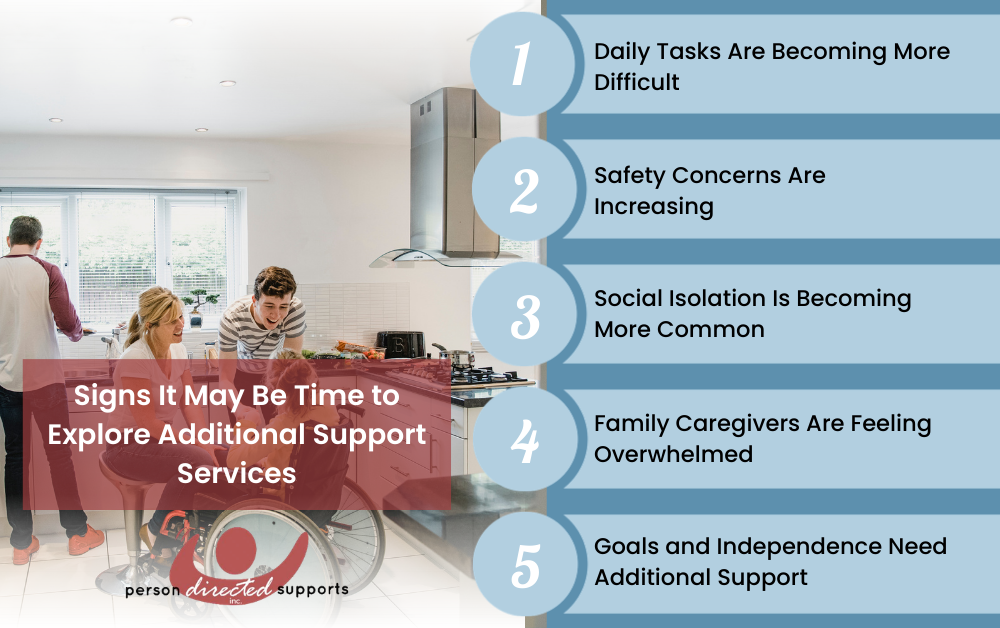
Sign #1: Daily Tasks Are Becoming More Difficult
One of the first indicators that additional support services may be helpful is difficulty managing everyday tasks. Activities that once felt routine may begin to require more time, energy, or assistance.
Some signs may include:
- Difficulty maintaining personal care routines
- Trouble preparing meals or keeping up with household tasks
- Increased reliance on family members for everyday responsibilities
When daily activities become overwhelming, support services can help individuals maintain structure while continuing to build confidence and independence.
Sign #2: Safety Concerns Are Increasing
Safety plays an important role in determining whether additional support services may be beneficial. When safety risks grow, extra guidance and supervision can help prevent accidents and provide peace of mind.
Families may notice:
- Challenges navigating the home safely
- Difficulty remembering medications or appointments
- Increased risk of falls, injuries, or other accidents
Support services often help establish routines, provide supervision when needed, and create safer daily environments.
Sign #3: Social Isolation Is Becoming More Common
Human connection plays a vital role in emotional and mental well-being. When individuals begin withdrawing from activities or spending more time alone, it may signal that additional support could help reconnect them with their community.
Possible signs include:
- Reduced participation in social or community activities
- Limited interaction with friends or family
- Loss of interest in hobbies or events once enjoyed
Support services can encourage community involvement and help individuals build meaningful relationships.
Sign #4: Family Caregivers Are Feeling Overwhelmed
Many families provide incredible support for their loved ones. However, caregiving responsibilities can grow over time and begin to affect work, personal health, or other family obligations.
Some indicators may include:
- Increased stress or caregiver burnout
- Difficulty balancing caregiving with work or family responsibilities
- Feeling unsure about how to meet evolving support needs
Additional support services can help relieve pressure while ensuring individuals continue receiving consistent care and attention.
Sign #5: Goals and Independence Need Additional Support
Sometimes the need for support services arises not because of challenges, but because individuals want to grow and pursue new goals. Additional support can help individuals build skills and expand their independence.
This may include:
- Learning new life skills
- Establishing daily routines
- Participating more actively in community life
- Achieving personal or vocational goals
Support services can provide guidance and encouragement while helping individuals move forward with confidence.
How Support Services Can Help
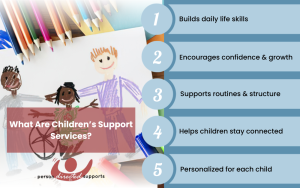
When families explore support services, they often discover a range of resources designed to strengthen independence and improve quality of life. Effective support services typically include:
- Individualized support plans based on personal goals
- Assistance with daily routines and responsibilities
- Opportunities for community participation and social engagement
- Consistent, trained support staff
These services work alongside individuals and families to create environments where people feel supported, respected, and empowered.
How to Start Exploring Support Services
Families who believe additional support services may be helpful can begin by taking a few simple steps:
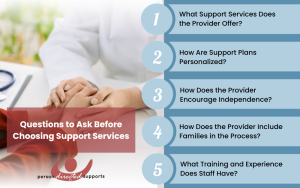
- Ask questions and gather information about available services
- Discuss goals and concerns with experienced providers
- Explore options that align with the individual’s preferences and needs
Taking the time to learn about support options helps families make informed decisions that benefit everyone involved.
Recognizing the Right Time for Additional Support
Recognizing when it may be time to explore additional support services allows families to respond thoughtfully to changing needs. The right support can help individuals maintain independence, strengthen daily routines, and continue participating fully in their communities.
By approaching the conversation early and openly, families can ensure their loved ones receive the support they need to live fulfilling, meaningful lives.
Support Starts With the Right Conversation
If you believe additional support services may benefit you or a loved one, Person Directed Supports is here to help answer questions and explore options that support independence and quality of life.