Caring for a loved one with a disability often means learning, adapting, and making thoughtful decisions along the way. Families want support that honors who their loved one is, respects their needs, and helps them feel safe and understood. When behavioral support becomes part of the conversation, it can bring up questions or uncertainty, especially if families are unsure what it truly involves. Within person-centered planning, behavioral support is not about changing who someone is, but about understanding their experiences, supporting emotional well-being, and building strategies that help daily life feel more manageable and meaningful.
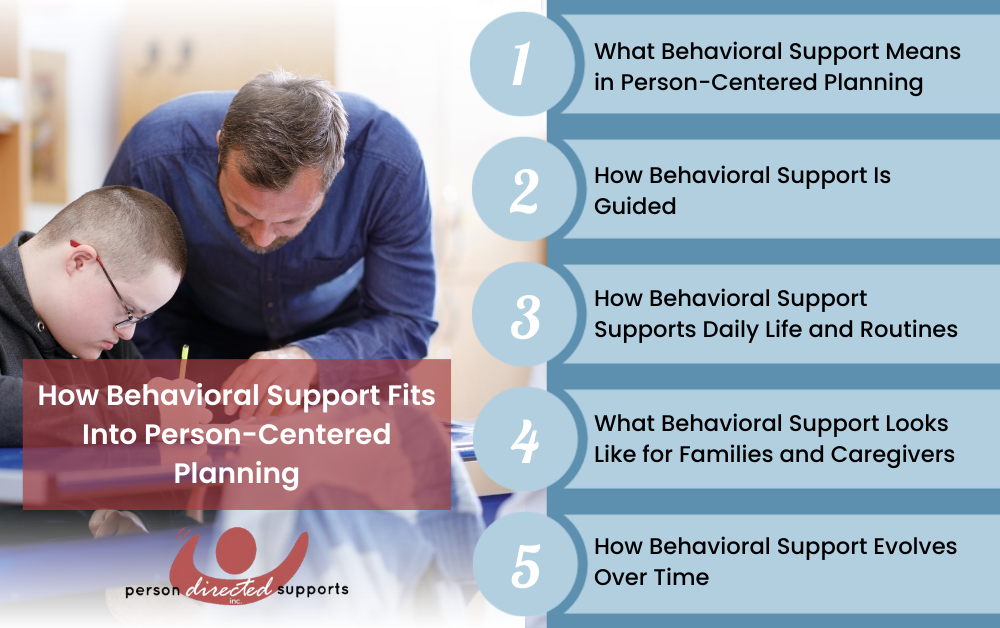
How Behavioral Support Is Guided by Individual Goals and Needs
Using Personal Goals
In person-centered planning, behavioral support begins with understanding what matters most to the individual. Personal goals, interests, and daily routines help shape how support is provided. Rather than focusing on reducing behaviors alone, behavioral support is designed to help individuals participate more fully in daily life, build confidence, and work toward goals that feel meaningful to them.
How Family Input Strengthens Behavioral Support Planning
Families play an important role in behavioral support planning because they know their loved one best. Their insight into routines, preferences, communication styles, and past experiences helps create support strategies that feel familiar and respectful. When families are included, behavioral support becomes more consistent across environments, which can reduce stress and improve outcomes for everyone involved.
Adjusting Behavioral Support as Needs Change
Needs can change over time, and behavioral support should change with them. Person-centered planning allows support strategies to be reviewed and adjusted as life circumstances, abilities, or goals shift. This flexibility helps ensure behavioral support remains helpful, relevant, and supportive rather than rigid or outdated.
How Behavioral Support Supports Daily Life and Routines
Behavioral Support for Daily Routines and Transitions
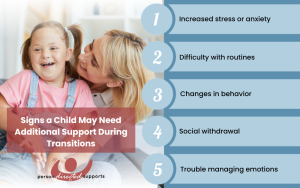
Daily routines and transitions can be challenging for individuals with disabilities, especially when schedules change or expectations are unclear. Behavioral support helps identify what makes these moments difficult and introduces strategies that provide structure and predictability. With the right support in place, routines such as mornings, meals, or bedtime can feel more manageable and less stressful.
Supporting Social and Emotional Well-Being Through Behavioral Support
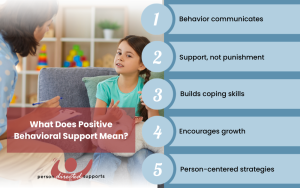
Behavioral support also plays an important role in emotional well-being. By helping individuals understand and manage feelings such as frustration, anxiety, or overwhelm, support can improve social interactions and relationships. This approach focuses on building coping skills and communication strategies that support healthier emotional expression and stronger connections with others.
Creating Consistency With Behavioral Support Across Environments
Consistency is key to effective behavioral support. When strategies are aligned across different settings, such as at home, in community homes, or within LifeSharing arrangements, individuals are more likely to feel secure and understood. Coordinated behavioral support reduces confusion, reinforces positive strategies, and helps create a more stable daily experience.
What Behavioral Support Looks Like for Families and Caregivers
Behavioral Support as a Partnership With Families
Behavioral support works best when families are treated as partners in the planning process. Family members bring valuable insight into their loved one’s history, routines, and communication styles. By working together, families and support teams can develop behavioral support strategies that feel familiar, respectful, and aligned with the individual’s daily life.
Reducing Caregiver Stress Through Shared Behavioral Support Strategies
Caring for a loved one with a disability can be emotionally and physically demanding. Behavioral support helps reduce caregiver stress by providing clear, consistent strategies that families can rely on. When everyone involved understands how to respond to challenges in the same way, daily caregiving can feel more manageable and less overwhelming.
Building Confidence for Families Through Clear Support Plans
Clear behavioral support plans give families greater confidence in supporting their loved one. Understanding the purpose behind certain strategies and knowing what to expect can ease uncertainty and build trust in the support process. Over time, this clarity helps families feel reassured that their loved one’s needs are being met with care and respect.
How Behavioral Support Evolves Over Time Through Person-Centered Planning
Reviewing and Updating Behavioral Support Over Time
Behavioral support is not meant to stay the same forever. As individuals grow, experience new environments, or work toward different goals, their support needs may change. Person-centered planning allows behavioral support strategies to be reviewed regularly, ensuring they remain helpful, appropriate, and aligned with the individual’s current needs.
How Ongoing Behavioral Support Helps Prevent Crisis Situations
When behavioral support is proactive and regularly reviewed, it can help reduce stress before challenges escalate. By recognizing early signs of frustration or overwhelm, support teams and families can adjust strategies in a timely way. This ongoing approach helps create a more stable environment and can prevent crisis situations that may be difficult for both individuals and caregivers.
Supporting Long-Term Well-Being Through Flexible Behavioral Support
Over time, flexible behavioral support can contribute to greater confidence, emotional well-being, and quality of life. By adapting to changes and respecting personal growth, behavioral support helps individuals feel supported without feeling restricted. This long-term, person-centered approach allows families to feel confident that support will continue to meet their loved one where they are, now and in the future.
Moving Forward With Understanding and Support
Supporting a loved one with a disability is a journey that evolves over time, and it is natural for needs to change along the way. Behavioral support, when guided by person-centered planning, offers families a way to better understand their loved one, respond with care, and create a more stable and supportive daily life. Rather than focusing on challenges alone, this approach centers on dignity, growth, and overall well-being.
If you are beginning to explore behavioral support or have questions about how it might fit into your loved one’s care, you do not have to navigate those conversations alone. The team at Person Directed Supports is available to help families learn more, ask questions, and explore supportive options at a pace that feels comfortable. Reaching out for information can be a meaningful first step toward finding support that respects both your loved one’s needs and your family’s peace of mind.