Searching for the right support services for a loved one can feel overwhelming. Families often face important decisions while navigating unfamiliar terms, programs, and options. Asking thoughtful questions early in the process can help families find support services that truly fit the individual’s needs, goals, and daily life.
This guide outlines key questions families should consider when exploring support services, helping create clarity and confidence during the decision-making process.
Why Asking the Right Questions Matters
Support services are not one-size-fits-all. Each provider may approach care differently, and the quality of support often depends on how well services align with the individual.
By asking the right questions, families can better understand how support services operate, how they adapt over time, and whether they truly center on the person receiving support—not just the system providing it.
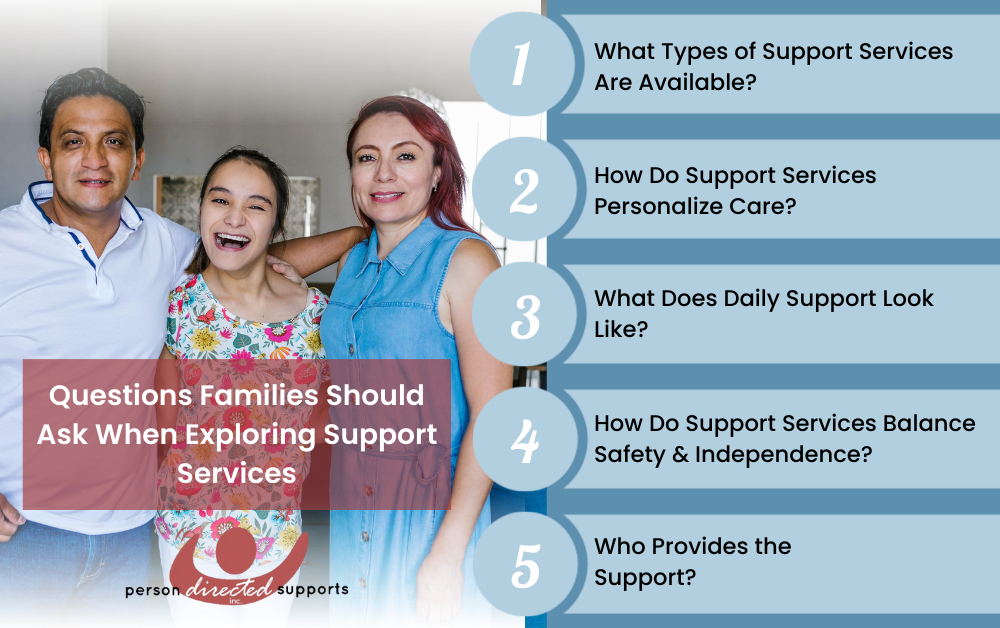
What Types of Support Services Are Available?
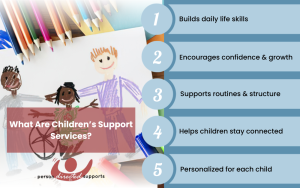
Families may encounter a range of support services designed to meet different needs and life stages. While specific offerings vary, services generally support individuals at home, in the community, or in shared living environments.
The most important consideration is whether support services align with the individual’s goals, abilities, and preferences—not just availability.
How Do Support Services Personalize Care?
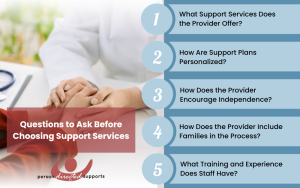
Personalization is a key indicator of quality support services. Families should ask how providers tailor support to each individual.
Important questions include:
- How are personal goals identified and prioritized?
- How often are support plans reviewed and updated?
- How is individual choice included in daily routines?
Strong support services adapt to the person, not the other way around.
What Does Daily Support Look Like?
Understanding daily life helps families picture how support services function in practice.
Questions to ask may include:
- What does a typical day look like?
- How flexible are routines?
- How do support staff encourage independence in everyday activities?
Daily support should feel natural, respectful, and responsive to individual needs.
How Do Support Services Balance Safety and Independence?
Safety and independence go hand in hand when support services are delivered thoughtfully. Families should explore how providers support growth while maintaining safety.
Helpful questions include:
- How are safety needs addressed without limiting independence?
- How are risks assessed and managed?
- How is progress toward greater independence supported over time?
Effective support services promote confidence while providing appropriate safeguards.
Who Provides the Support?
The people delivering support services play a critical role in the overall experience. Families may want to ask:
- How are support staff trained and supported?
- Is there consistency in caregivers?
- How are positive, trusting relationships built?
Consistent and well-trained staff help create stability and meaningful connections.
How Do Support Services Involve Families?
Family involvement often strengthens support services. Providers should value communication and collaboration.
Questions to consider:
- How are families included in planning and updates?
- How often is communication shared?
- How are concerns or questions addressed?
Open communication builds trust and supports long-term success.
How Do Support Services Adapt as Needs Change?
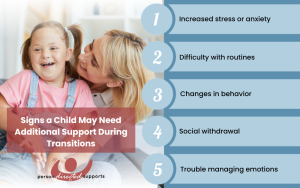
Needs, goals, and circumstances evolve over time. Families should ask how support services adjust accordingly.
Important questions include:
- How does support change as goals shift?
- How are transitions handled?
- How does the provider support long-term growth?
Flexible support services ensure continuity and stability through life changes.
How to Decide if Support Services Fit Your Needs
Choosing support services is about more than checking boxes. Families should feel confident asking follow-up questions, requesting clarification, and trusting their instincts.
The right support services prioritize dignity, respect, and individuality while remaining responsive and transparent.
Making Confident Decisions About Support Services
Asking the right questions helps families make informed decisions about support services. Thoughtful conversations reveal whether services truly focus on the individual, support independence, and adapt over time.
When support services center on dignity, choice, and collaboration, individuals and families can move forward with confidence and peace of mind.
Support Starts With the Right Questions
If you’re exploring support services for yourself or a loved one, Person Directed Supports is here to help answer questions and guide the conversation.