No two individuals follow the exact same path in life. As people grow, gain new skills, experience life transitions, and pursue different goals, their support needs may change as well. What works today may look different a few years from now, and that’s completely normal.
The best support services are designed to grow and adapt alongside the individual. Rather than following a one-size-fits-all approach, person-centered support focuses on meeting people where they are today while helping them prepare for tomorrow.
At Person Directed Supports, flexibility is an important part of providing meaningful support. Whether someone participates in Children’s Services, Behavioral Supports, Community Homes, or LifeSharing, support should evolve as needs, abilities, and goals change.
Why Support Needs Change Over Time
Life is constantly changing. Children become teenagers, teenagers become adults, routines shift, goals evolve, and new opportunities arise.
Support needs may change because of:
- Increased independence and confidence
- New life skills and responsibilities
- Changes in school, work, or community involvement
- Behavioral or emotional growth
- Family circumstances and caregiving needs
- Long-term planning goals
Changing support does not mean something is wrong. In many cases, it means the individual is growing and making progress.
This is one reason why person-centered support remains so important. As discussed in our blog, What Does Person-Centered Support Really Mean?, support should reflect the individual’s goals, preferences, and strengths rather than a fixed plan that never changes.
What Flexible Support Services Should Include
Strong support services should be flexible enough to respond to changing needs while maintaining stability and consistency.
Effective support services often include:
- Individualized support plans
- Regular communication with families
- Ongoing goal reviews
- Support for changing routines and responsibilities
- A focus on independence and choice
Whether an individual receives support through Community Homes, LifeSharing, or Behavioral Supports, the goal remains the same: helping each person build a meaningful life that reflects their own goals and interests.
How Support Services Adapt to Daily Living Needs
Daily living skills often change as individuals gain experience and confidence. Someone who once needed significant support with routines may eventually become more independent in those areas.
Support services may adapt to:
- Personal care routines
- Household responsibilities
- Meal preparation
- Transportation needs
- Community participation
- Time management and organization
As individuals develop new skills, support staff can gradually shift their role from direct assistance to guidance and encouragement.
This approach aligns closely with the principles discussed in our blog Life Skills That Help Prepare Teens for Adulthood, where small daily responsibilities help build confidence and independence over time.
How Support Services Adapt During Life Transitions
Life transitions often create new challenges and opportunities. During these periods, support services may need to adjust to provide additional structure, guidance, or planning.
Common transitions include:
- Starting a new school year
- Graduating from high school
- Moving into a new living arrangement
- Beginning employment opportunities
- Changes in family support systems
- Adjusting to adulthood
For example, a young adult transitioning into a Community Home may need support that differs from what they received through Children’s Services. Similarly, someone exploring LifeSharing may have different goals than they did a few years earlier.
Planning ahead and making gradual adjustments can help these transitions feel less overwhelming and more successful.
How Support Services Adapt to Growing Independence
One of the primary goals of support services is helping individuals build independence. As confidence grows, support should evolve as well.
This may include:
- Encouraging more decision-making
- Increasing responsibility for daily tasks
- Expanding community involvement
- Developing self-advocacy skills
- Supporting personal goals and interests
As discussed in our blog What Independence Looks Like for Different Individuals, independence does not mean doing everything alone. It means having the opportunity to make choices, participate in daily life, and receive the right level of support when needed.
Support services should encourage growth without removing the safety and guidance that help individuals succeed.
How Support Services Adapt to Behavioral or Emotional Needs
Behavioral and emotional needs can change throughout life. New environments, changing routines, stress, and major life events may all influence how individuals respond to situations.
This is where Behavioral Supports can play an important role.
Support services may adapt by:
- Teaching new coping strategies
- Building communication skills
- Creating more structured routines
- Using positive reinforcement techniques
- Adjusting support plans based on current needs
Our blog What Does Positive Behavioral Support Mean? explains how behavior often serves as communication. Understanding the reasons behind behaviors allows support teams to create strategies that promote growth, confidence, and success.
The Role of Families and Support Teams
Successful support services rely on strong communication between everyone involved.
Families, support staff, providers, and individuals all play important roles in identifying changing needs and adjusting support plans accordingly.
Regular communication helps:
- Monitor progress toward goals
- Address concerns early
- Adjust routines and strategies
- Create consistency across environments
- Support long-term success
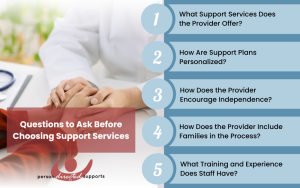
Our blog Questions Families Should Ask When Exploring Support Services highlights the importance of collaboration when evaluating and adjusting support.
When families and support teams work together, individuals often experience better outcomes and more consistent support.
Signs Support Services May Need to Change
Because support needs evolve over time, it is important to recognize when adjustments may be beneficial.
Some common signs include:
- Daily routines becoming more challenging
- New independence goals emerging
- Increased interest in community involvement
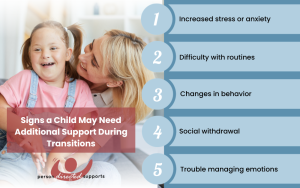
- Behavioral or emotional changes
- Family caregiving responsibilities becoming more difficult
- Readiness for additional responsibility and growth
Recognizing these changes early allows support plans to evolve before challenges become barriers.
Why Person-Centered Support Matters Over Time
As individuals grow and change, support should grow and change with them.
Person-centered support keeps the individual at the center of every decision. Rather than expecting people to fit into a predetermined system, support plans should reflect:
- Personal goals
- Strengths and abilities
- Preferences and interests
- Changing support needs
When support remains person-centered, individuals have more opportunities to pursue meaningful goals and continue building independence throughout their lives.
Support Should Grow With the Individual
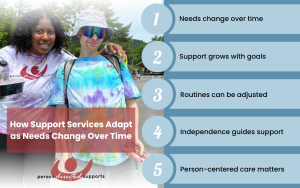
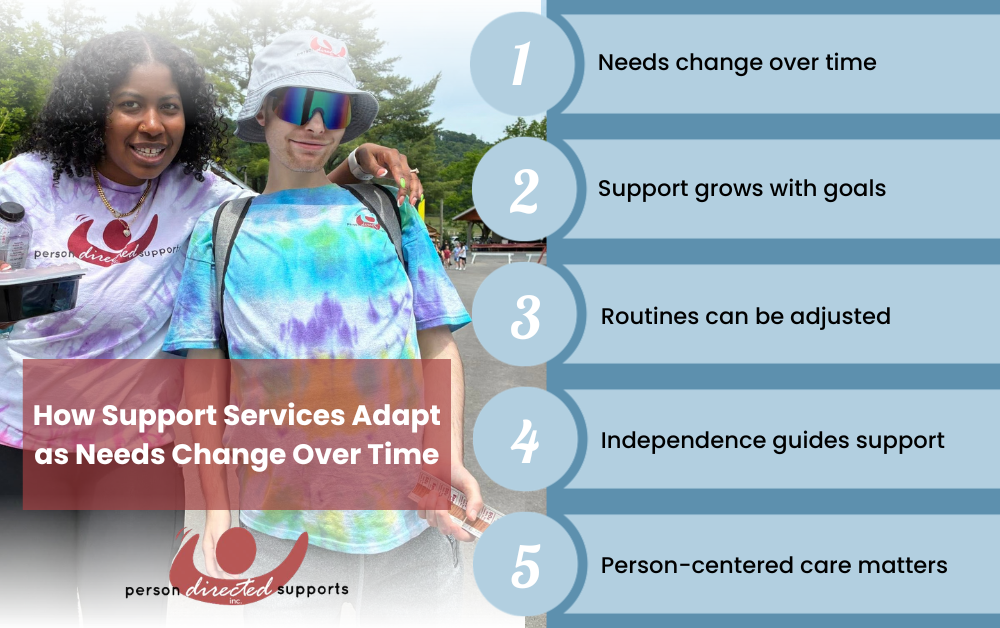
Needs change over time, and support services should change with them. Whether someone is building life skills, preparing for adulthood, exploring a community home, or developing greater independence, support should remain flexible and responsive to their goals.
The most effective support services do not stay the same forever. They adapt, evolve, and grow alongside the individual, helping them navigate life’s changes with confidence, dignity, and meaningful support.
Support That Grows With the Individual
At Person Directed Supports, we believe support should evolve as individuals grow and their goals change. Our person-centered approach helps individuals and families access the right level of support at every stage of life.
Whether you’re exploring Children’s Services, Behavioral Supports, Community Homes, or LifeSharing, our team is here to help you find support that fits today while preparing for tomorrow. Contact us to learn more about our personalized support options.