Choosing the right support services is an important decision for individuals and families. The right support can help build confidence, encourage independence, and improve quality of life. However, with so many options available, families may feel unsure where to start or what questions to ask.
Taking time to ask thoughtful questions can help families better understand providers, support approaches, and whether services truly fit the individual’s needs and goals.
Why Choosing the Right Support Services Matters
Support services often play a major role in daily life. They can influence routines, communication, independence, emotional well-being, and long-term growth.
Every individual is different, which means support should never follow a one-size-fits-all approach. The best services focus on the individual’s strengths, preferences, and personal goals while creating a respectful and encouraging environment.
Asking the right questions helps families make informed decisions with greater confidence.
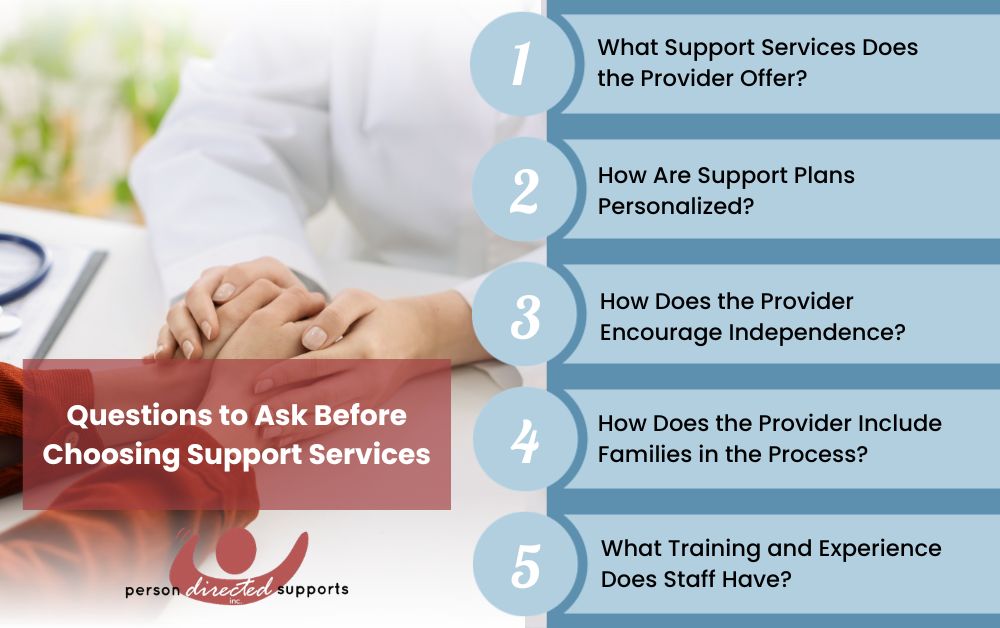
Questions to Ask Before Choosing Support Services
Families exploring options should look beyond basic information and focus on how providers deliver services in everyday life.
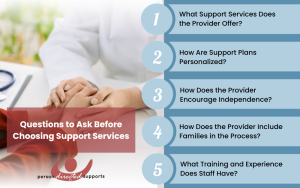
What Support Services Does the Provider Offer?
Not every provider offers the same programs or level of support. Families should ask:
- What services are available?
- What age groups or needs do these services support?
- Do the services align with the individual’s goals and daily challenges?
Understanding available options helps families decide whether a provider fits their needs.
How Are Support Plans Personalized?
Strong support services recognize that every individual has unique needs, routines, and goals.
Families may want to ask:
- How are support plans created?
- How are personal goals and preferences included?
- How often are plans reviewed and updated?
Personalized support helps individuals feel respected, heard, and supported in ways that fit their lives.
How Does the Provider Encourage Independence?
Good support services focus on growth and independence—not dependence.
Questions may include:
- How are life skills encouraged?
- How do individuals participate in decision-making?
- How does support help build confidence over time?
Support should empower individuals to participate actively in daily life.
How Does the Provider Include Families in the Process?
Open communication between providers and families is essential.
Families may ask:
- How are updates shared?
- How are concerns addressed?
- How often are families involved in planning discussions?
Strong collaboration creates better consistency and support for the individual.
What Training and Experience Does Staff Have?
Staff play a major role in the quality of services provided. Families should feel comfortable asking about:
- Staff training and experience
- Approaches to communication and support
- How relationships and trust are built over time
Well-trained and compassionate staff help create stable and supportive environments.
How Does the Provider Handle Transitions and Changes?
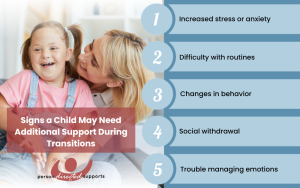
Needs and routines can change over time, especially during life transitions.
Helpful questions include:
- How does support adapt as individuals grow or circumstances change?
- How are school, routine, or life transitions supported?
- How does the provider respond when challenges arise?
Flexible support services help individuals navigate change more successfully.
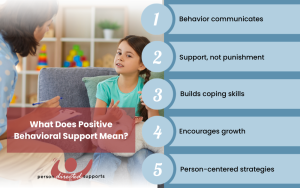
How Are Behavioral or Emotional Challenges Supported?
Behavioral and emotional support should focus on understanding and encouragement rather than punishment.
Families may want to ask:
- How does the provider approach behavioral support?
- How are coping skills and communication encouraged?
- How is positive reinforcement used?
Person-centered behavioral support helps individuals feel safe, understood, and supported.
Signs You’ve Found the Right Services
Several signs can show that support services fit the individual’s needs:
- The individual feels respected and included
- Support focuses on strengths and goals
- Families feel informed and supported
- Communication feels open and consistent
- Services encourage growth and independence
A strong provider should create an environment where individuals and families feel comfortable and valued.
Common Mistakes to Avoid When Choosing Support Services
Families sometimes feel pressure to make quick decisions, but taking time to evaluate options carefully is important.
Some common mistakes include:
- Choosing services based only on convenience
- Overlooking communication and collaboration
- Ignoring the importance of individualized support
- Rushing the decision-making process
Asking detailed questions can help families avoid these challenges.
Why Person-Centered Support Matters
Person-centered support focuses on the individual rather than forcing individuals to adapt to rigid systems.
This approach:
- Respects dignity and choice
- Encourages independence and participation
- Adapts support to changing needs and goals
Support services should help individuals build confidence while honoring their unique strengths and preferences.
Finding Support Services That Truly Fit
Choosing support services is about more than selecting a provider—it is about finding support that helps individuals grow, succeed, and feel empowered in daily life.
By asking thoughtful questions and focusing on communication, independence, and individualized care, families can make informed decisions that lead to stronger, more meaningful support.
Find Services That Fit Your Family’s Needs
Person Directed Supports provides person-centered support services designed to help individuals grow with confidence, independence, and meaningful support. Reach out to learn more about available services and support options.