As children grow, their needs, routines, and challenges can change over time. Some families may find that their child benefits from additional guidance and structure to help with daily living, social development, or long-term independence. This is where children’s support services can make a meaningful difference.
Children’s support services are designed to help children and teens build confidence, develop important life skills, and navigate everyday challenges with the right level of support. For families exploring options, understanding what these services are and how they work can make the process feel less overwhelming.
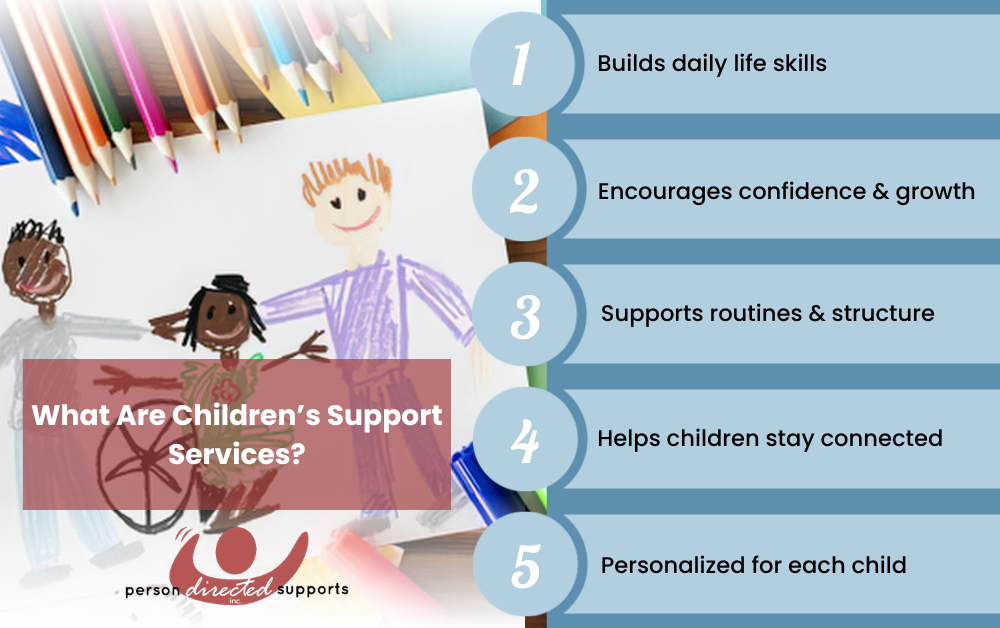
What Are Children’s Support Services?
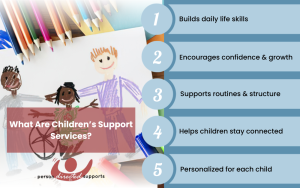
Children’s support services provide individualized support for children and teens who may need extra assistance with daily life, social development, emotional well-being, or independence-building skills.
These services focus on helping children:
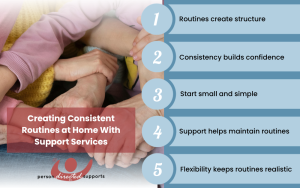
- Build routines and structure
- Develop communication and social skills
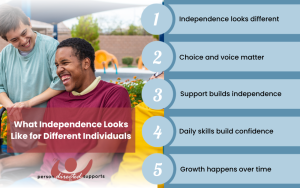
- Increase confidence and independence
- Participate more fully at home and in the community
Rather than applying the same approach to every child, support services are built around each child’s unique strengths, needs, and goals.
Who Can Benefit From Children’s Support Services?
Children’s support services may benefit:
- Children and teens who need additional structure or guidance
- Youth with developmental, behavioral, mental health, or autism-related needs
- Families looking for extra support with routines or transitions
Some children may need support in only a few areas, while others may benefit from more consistent guidance. Every situation is different, which is why individualized support is so important.
What Do Children’s Support Services Include?
Children’s support services can include many different types of support depending on the child’s needs and goals.
Daily Living Support
Daily living skills help children and teens become more independent over time. Support may focus on:
- Building consistent routines
- Developing personal responsibility
- Practicing age-appropriate daily tasks
These routines help create structure and confidence in everyday life.
Social and Community Skills
Strong social skills help children build relationships and feel connected to the world around them.
Support services may help children:
- Improve communication skills
- Build positive relationships
- Participate in community activities and events
These experiences encourage confidence and social growth.
Educational and Vocational Growth
As children grow older, support services can also help prepare them for future goals.
This may include:
- Developing school-related skills
- Exploring interests and strengths
- Building confidence for future work or community involvement
Support focuses on helping youth continue growing in ways that feel meaningful and achievable.
Transitional Support
Transitions can be challenging for children and teens. Support services can help during periods of change, including:
- Moving into new routines
- Preparing for adulthood
- Adjusting to changes at school, home, or in the community
Providing consistency during transitions can help reduce stress and improve confidence.
How Children’s Support Services Support Families
Support services are not only beneficial for children—they also help families feel more supported and connected throughout the process.
Children’s support services can:
- Provide consistency and structure
- Help families navigate challenges more confidently
- Encourage communication and collaboration between support teams and caregivers
Families often feel more prepared when they have guidance and support alongside them.
Why Person-Centered Support Matters for Children
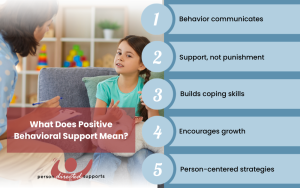
Every child has unique strengths, interests, and goals. Person-centered support recognizes that children grow and learn differently.
This approach focuses on:
- Respecting individuality and choice
- Supporting growth at a comfortable pace
- Building support around the child’s specific needs and goals
Person-centered support helps children feel valued, understood, and encouraged.
How to Know if Your Child May Need Additional Support
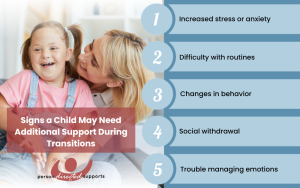
Families may begin exploring additional support when they notice:
- Difficulty maintaining routines
- Challenges with communication or social interaction
- Increased stress surrounding daily responsibilities
- A need for additional life skills or transition planning
Seeking support is not a sign of failure. In many cases, it is a proactive step that helps children and families feel more confident moving forward.
Questions Families Should Ask When Exploring Children’s Support Services
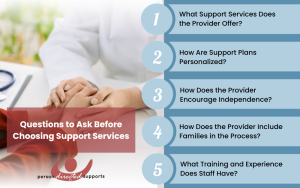
When researching support options, families may want to ask:
- What services are available for my child’s age and needs?
- How are support plans personalized?
- How are families included in planning and communication?
- How does support adapt as children grow and change?
Asking thoughtful questions can help families find services that feel supportive, flexible, and aligned with their goals.
Supporting Growth at Every Stage
Children’s support services help children and teens build confidence, develop life skills, and navigate daily life with greater independence. By providing individualized support and encouragement, these services create opportunities for growth while helping families feel supported along the way.
Every child’s journey looks different, and the right support can help them continue growing in ways that are meaningful, empowering, and person-centered.
Support for Growth, Confidence, and Independence
Person Directed Supports provides children’s support services designed to help youth build skills, navigate transitions, and grow with confidence. Reach out to learn more about individualized support options for children and teens.